


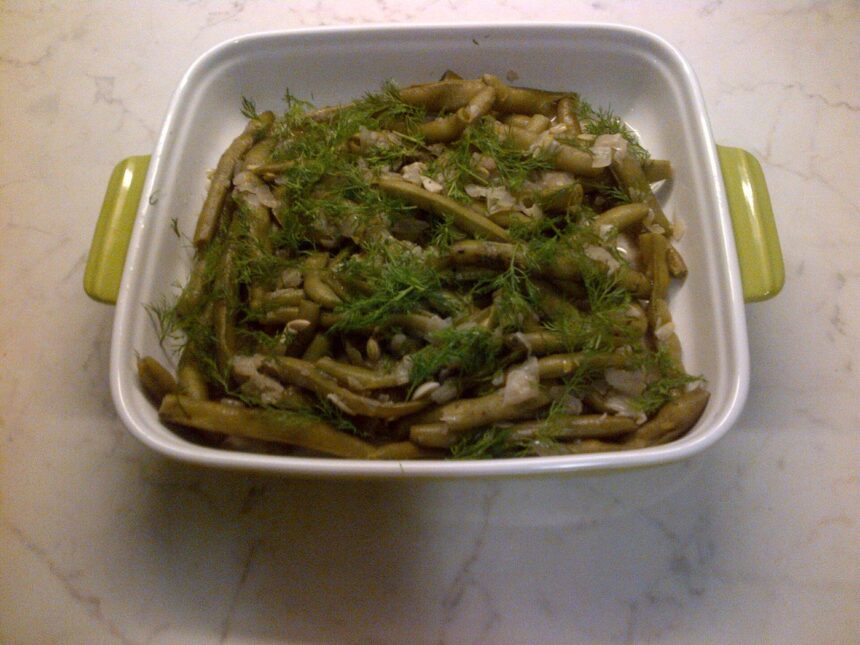
As evenings darken, nutrition advisers are pointing home cooks towards a reassuringly simple pattern for winter eating. A plate built around seasonal vegetables, beans or grains, finished with a drizzle of olive oil, offers colour, fibre and flavour without complicated recipes or expensive ingredients. Specialists following seasonal vegetable eating say root vegetables, cabbage, leeks, carrots and frozen greens deserve more attention than they usually receive. They keep well, cost less than imported produce and suit slow cooking methods that warm the kitchen. Olive oil adds richness that helps a modest vegetable dish feel satisfying rather than sparse. Dietitians encourage people to think in terms of additions rather than restrictions. Adding an extra vegetable to a soup, stirring greens through pasta, or roasting a tray of mixed roots alongside a usual meal all move eating in a healthier direction gently. Variety across the week matters more than perfection on a single day. A colourful plate is a useful guide, but the real goal is a pattern of eating that people enjoy enough to repeat all winter long.
What the Evidence Shows
Shopping with the seasons also reduces waste and supports local growers where they are available. Market stalls and supermarkets both highlight British and regional produce at this time of year, and frozen vegetables remain a nutritious, affordable backup when fresh supplies run low. Specialists following seasonal vegetable eating recommend batch cooking vegetable soups and stews, then freezing portions for busy evenings when cooking from scratch feels difficult. A simple dressing of olive oil, lemon and herbs can lift leftovers and make the same ingredients taste new again. Families are encouraged to involve children in washing, tearing and arranging vegetables, because familiarity often makes new flavours easier to accept. Nutrition is rarely transformed by one fashionable ingredient. Instead, steady habits built around ordinary foods tend to last. A winter plate centred on vegetables, good oil, grains and protein is not a strict diet. It is a flexible way of eating that fits real budgets and appetites. Reporting and analysis from sources such as National Institutes of Health track the same developments, and specialists following seasonal vegetable eating say the direction is now consistent across independent lines of evidence.
The Wider Context
The wider context is a health system trying to move from treating illness late to preventing it early, against budgets that reward the opposite. Evidence around seasonal vegetable eating is being weighed by guideline committees that ask two questions in order: does it work, and can ordinary services actually deliver it at scale. Many good ideas pass the first test and stall on the second.
What Happens Next
What happens next for seasonal vegetable eating depends on the slow machinery of guidelines, funding and training catching up with the evidence. Patients asking about it today should expect honest answers that include uncertainty, and clinicians say a service that explains what is not yet known earns more trust than one that oversells. The research pipeline, at least, is moving in the right direction. You can follow related developments in our coverage of health.
None of this will be settled by a single announcement, study or product launch. The pattern to watch is accumulation: independent confirmations, honest reporting of failures and steady improvement in the underlying numbers. Readers who follow those signals, rather than the loudest claim of the week, will understand this subject better than most of the commentary surrounding it suggests is possible.