


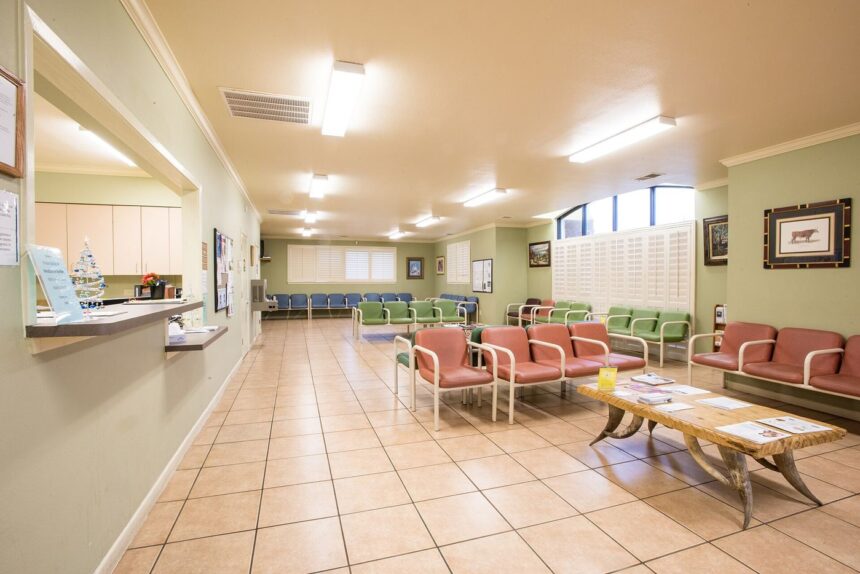
Clinic waiting rooms bring together exactly the people winter viruses affect most, from babies and older adults to patients with weakened immune systems, so reducing spread inside those rooms has become a careful part of winter planning. Many clinics now space chairs further apart, improve ventilation, place hand sanitiser at entrances, and offer separate seating areas for patients with coughs and fevers. Some ask people with infectious symptoms to wait in a side room or in their car until they are called. Staff say these steps are practical rather than dramatic, and they work best when patients understand the reasons and cooperate without feeling blamed for being unwell. Posters in several languages now explain the arrangements at the door, so visitors know what to expect before they reach the reception desk each morning.
What the Evidence Shows
Patients can help by using tissues, washing or sanitising hands, and telling reception about respiratory symptoms when they arrive or, better still, when they book. Clinics may offer phone or video appointments for concerns that do not need a physical examination, keeping infectious patients at home altogether. Cleaning teams focus on door handles, chair arms, and shared surfaces between sessions. Health leaders emphasise that no one should delay urgent care because they worry about spreading illness; they should simply call ahead so staff can prepare. Thoughtful waiting room design, they argue, quietly protects the most vulnerable patients during the busiest and riskiest weeks of the year. Staff review the arrangements after each winter season, keeping measures that patients found acceptable and dropping those that caused confusion without adding real protection for anyone. Reporting and analysis from sources such as National Institutes of Health track the same developments, and specialists following infection control in clinic waiting rooms say the direction is now consistent across independent lines of evidence.
The Wider Context
The wider context is a health system trying to move from treating illness late to preventing it early, against budgets that reward the opposite. Evidence around infection control in clinic waiting rooms is being weighed by guideline committees that ask two questions in order: does it work, and can ordinary services actually deliver it at scale. Many good ideas pass the first test and stall on the second.
What Happens Next
What happens next for infection control in clinic waiting rooms depends on the slow machinery of guidelines, funding and training catching up with the evidence. Patients asking about it today should expect honest answers that include uncertainty, and clinicians say a service that explains what is not yet known earns more trust than one that oversells. The research pipeline, at least, is moving in the right direction. You can follow related developments in our coverage of health.
None of this will be settled by a single announcement, study or product launch. The pattern to watch is accumulation: independent confirmations, honest reporting of failures and steady improvement in the underlying numbers. Readers who follow those signals, rather than the loudest claim of the week, will understand this subject better than most of the commentary surrounding it suggests is possible.