


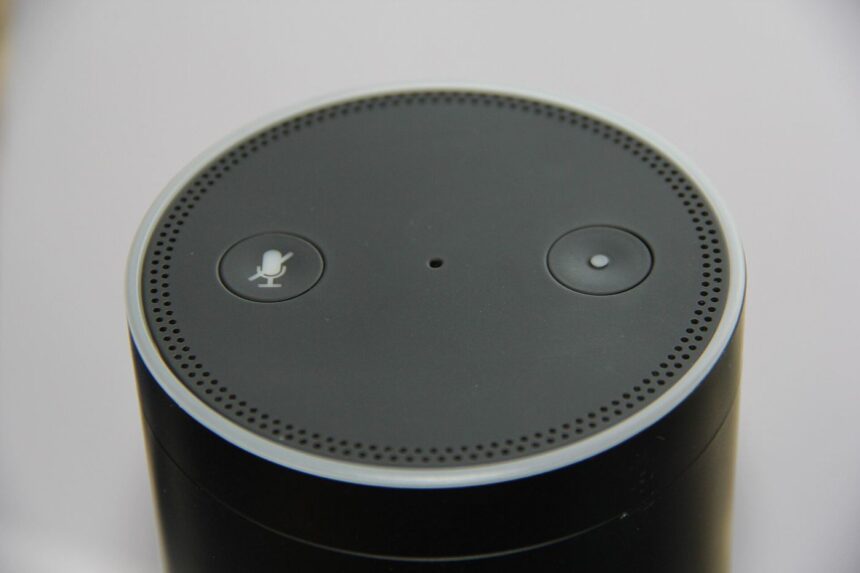
For years the smart home has been a collection of rival camps, with lights, locks, thermostats and speakers that worked beautifully inside one company’s application and stubbornly ignored everything else. The Matter standard, developed jointly by the industry’s largest competitors, was created to end that fragmentation by giving devices a common language over home networks. The latest wave of product updates suggests the promise is finally being kept: major platforms now recognise the same sensors, plugs and bulbs during setup, and households can move a device between systems without replacing it. Retailers report that compatibility questions at the point of sale have begun to change, from which ecosystem a product belongs to toward what it actually does. For an industry long criticised for selling convenience that required technical patience, simple interoperability may prove to be the feature that unlocks the mainstream market at last.
What the Evidence Shows
Plenty of friction remains beneath the progress. Older devices need bridge hardware to join Matter networks, advanced features such as energy reporting still depend on each manufacturer’s application, and setup failures remain common enough to fill support forums. Security specialists, however, welcome the standard’s requirement for encrypted local control, which reduces dependence on distant cloud servers and keeps basic functions working when the internet connection fails. Energy managers are watching closely too: a home whose heating, appliances and solar inverter can coordinate promises real savings, but only if the devices genuinely cooperate. Industry groups have now committed to regular update cycles that add device categories, including robot vacuums, appliances and home energy equipment. The test for the coming year is whether the standard survives contact with millions of ordinary homes, where routers are old, passwords are forgotten and patience is limited. Reporting and analysis from sources such as Wired track the same developments, and specialists following Matter standard smart home interoperability say the direction is now consistent across independent lines of evidence.
The Wider Context
The wider context is an industry learning to ship capability and restraint together. Products built around Matter standard smart home interoperability now launch with safety evaluations, usage data and rollback plans as standard, because enterprise buyers and regulators ask for them in the first meeting. Companies that treated those questions as friction are discovering they have become the purchase criteria.
What Happens Next
What happens next for Matter standard smart home interoperability depends less on another breakthrough than on the unglamorous work of reliability, pricing and support. The buyers evaluating it now are not enthusiasts; they are operators with budgets and auditors, and their checklists will decide the timeline. On the evidence of the current pilots, the technology has earned the right to be judged by them. You can follow related developments in our coverage of technology.
None of this will be settled by a single announcement, study or product launch. The pattern to watch is accumulation: independent confirmations, honest reporting of failures and steady improvement in the underlying numbers. Readers who follow those signals, rather than the loudest claim of the week, will understand this subject better than most of the commentary surrounding it suggests is possible.