


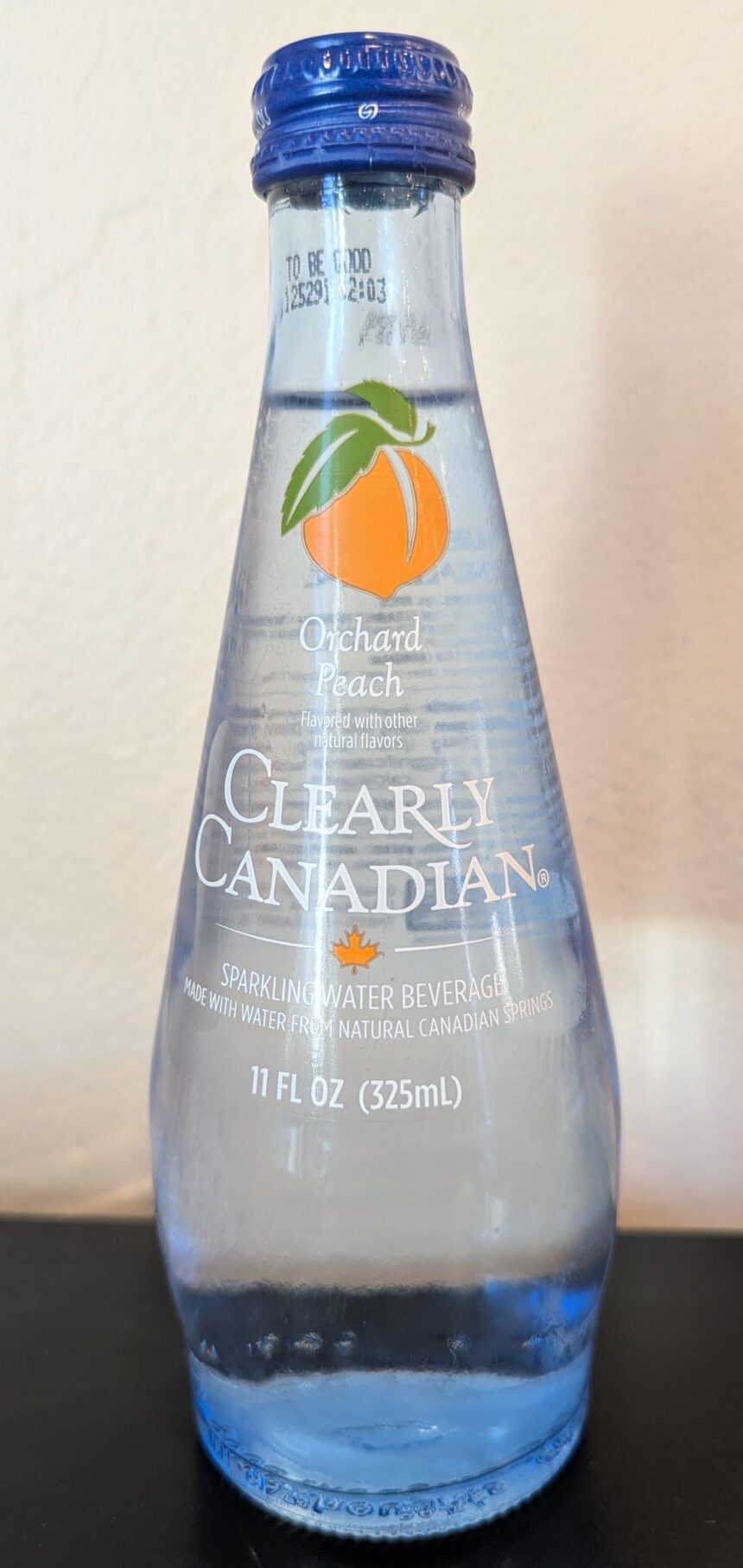
Cutting back on alcohol is bringing noticeable health benefits, as more people try alcohol-free days, smaller measures and lower-strength drinks. Alcohol affects sleep, mood, energy and long-term health, and health experts say even modest reductions can improve how people feel within weeks. Many people report sleeping better, waking with more energy and noticing clearer skin after a few alcohol-free weeks. The change need not mean giving up drinking entirely: swapping a large glass for a small one, alternating alcoholic drinks with water, and choosing alcohol-free beer or wine all cut intake without changing social plans. Health campaigns that invite people to take a month off alcohol have grown popular, and participants often say the hardest part is the habit, not the drink itself. For anyone who drinks regularly, a break is a useful way to see how much alcohol was really affecting them.
What the Evidence Shows
Experts advise setting a clear goal, such as three alcohol-free days a week, and keeping a simple note of what is drunk. Planning ahead helps: choose the alcohol-free option before arriving at a gathering, and keep appealing alternatives at home, such as sparkling water or alcohol-free drinks. Eating before drinking slows the effect of alcohol, and drinking water alongside each drink helps with hydration. Anyone who finds cutting back difficult, or who drinks heavily every day, should speak to a doctor, since stopping suddenly can be unsafe and support is available. For most people, health experts say, drinking a little less is a small change with a real payoff: better sleep, steadier energy and a clearer head. Reporting and analysis from sources such as World Health Organization track the same developments, and specialists following cutting back on alcohol say the direction is now consistent across independent lines of evidence.
The Wider Context
The wider context is a health system trying to move from treating illness late to preventing it early, against budgets that reward the opposite. Evidence around cutting back on alcohol is being weighed by guideline committees that ask two questions in order: does it work, and can ordinary services actually deliver it at scale. Many good ideas pass the first test and stall on the second.
What Happens Next
What happens next for cutting back on alcohol depends on the slow machinery of guidelines, funding and training catching up with the evidence. Patients asking about it today should expect honest answers that include uncertainty, and clinicians say a service that explains what is not yet known earns more trust than one that oversells. The research pipeline, at least, is moving in the right direction. You can follow related developments in our coverage of health.
There is a practical lesson in all of this for readers deciding what to do today. Start with the verified facts, be wary of anyone promising certainty, and prefer reversible steps while the evidence is still developing. Circumstances differ by country, income and personal situation, so general guidance should always be weighed against your own context before you act on it in any significant or lasting way.