


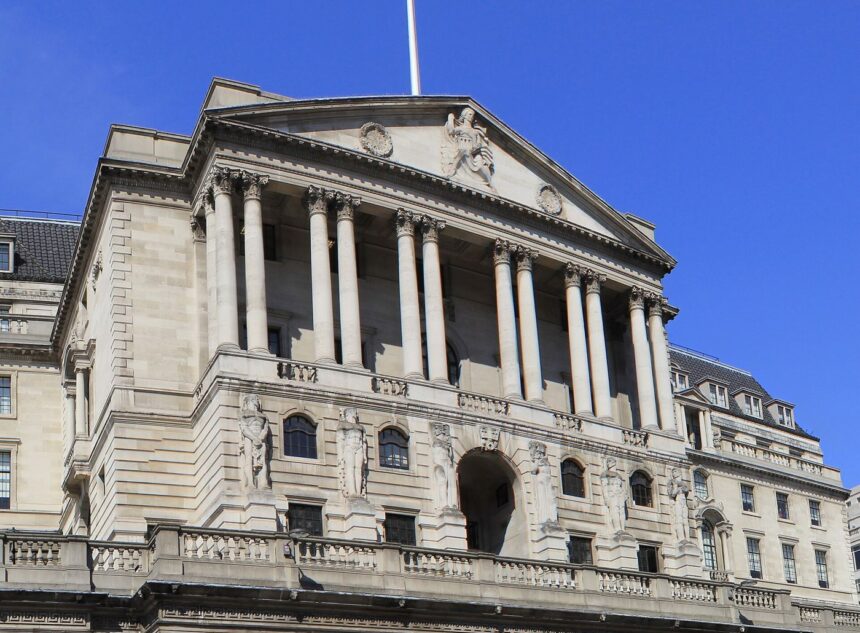
Yields on British government bonds have risen above 5.3 percent for ten-year debt, the highest level since October 2023, as markets price in further interest rate rises. Two-year gilt yields have also climbed above 5 percent. The Bank of England raised its main rate to 4 percent on 5 November, its first increase in more than three years, after inflation reached 3.5 percent in September and 3.6 percent in October. The central bank expects inflation to rise to around 5 percent by the middle of 2027, driven by higher energy prices, before gradually declining. Financial markets are pricing a probability of more than 80 percent for a further rate increase in December, and Bank officials have indicated that further tightening may be required in 2027.
What the Evidence Shows
Higher gilt yields matter beyond the bond market, since they set the price of government borrowing and feed directly into the cost of fixed-rate mortgages. Benchmark two-year mortgage rates have risen by nearly 0.50 percentage points since the beginning of September, and average fixed mortgage pricing is now close to 6 percent. The Chancellor’s first Budget, delivered on 28 October, included a 100-pound winter payment for around 20 million households, and the Bank estimates the Budget measures will reduce inflation by around a quarter of a percentage point by the second quarter of 2027. Yields on government bonds also shape the cost of business borrowing and the returns on pensions and savings. If inflation keeps rising towards 5 percent, yields could climb further and keep borrowing costs high for households and firms alike. Reporting and analysis from sources such as World Bank track the same developments, and specialists following the rise in UK gilt yields say the direction is now consistent across independent lines of evidence.
The Wider Context
For households and small firms, the rise in UK gilt yields matters through prices and access rather than through market commentary. Changes at this level arrive as a rate on an offer letter, a fee on a statement or a product that quietly disappears from a comparison table. Consumer groups argue that transparency at exactly that point of decision is worth more than any amount of market-level reporting.
What Happens Next
The outlook for the rise in UK gilt yields hinges on policy choices that will be made in the open over the coming quarters. Market participants are positioned for more than one outcome, which is why the immediate reaction to each announcement has been smaller than the commentary around it. For ordinary savers and borrowers, the advice from every quarter is the same: review your own position, not the headlines. You can follow related developments in our coverage of finance.
It is also worth remembering how quickly the picture in this area has changed before. Positions that looked settled a few years ago have been revised as new data arrived, and the same humility is appropriate now. The strongest coverage of this subject, and the most useful advice, tends to come from sources that update their views openly when the facts move, rather than defending an earlier position long after it has stopped fitting the evidence available.