


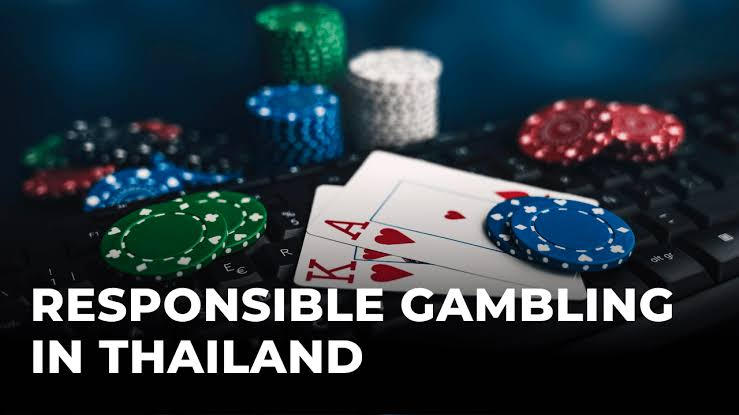
During the 2017/2018 Thai League season, football betting sat at the intersection of passion, strict national laws, and growing concern about gambling‑related harm, especially around online channels. Anyone who wagered on Thai League matches in that period—and anyone writing or talking about those bets—had to think not only about odds and results, but also about legality, social consequences, and their own duty of care.
Understanding the Legal and Social Setting Around Thai League Betting
Responsible conduct starts with acknowledging the legal framework. Under Thai law, most gambling is prohibited, with only narrow exceptions like the state lottery and regulated horse racing, leaving football betting officially outside the permitted scope. Despite this, illegal football gambling has been widely documented, prompting periodic crackdowns, especially during major international tournaments when betting activity spikes and youth exposure becomes a public concern.
Social debates around the time highlighted fears that football wagering could exacerbate debt, family conflict, and youth addiction, framing betting not just as an individual choice but as a behaviour with wider community impact. In that environment, anyone choosing to engage with Thai League 2017/2018 as a betting arena needed to recognise that their actions existed against a backdrop of legal restriction and moral scrutiny, not in a neutral entertainment space.
Core Principles of Respectful Thai League Betting Behaviour
Etiquette in football betting is not just about being polite; it is about how your choices affect others who share the stadium, the household, and the online space around Thai League. Respectful bettors avoid aggressive celebration or taunting that can escalate into conflict, especially in a culture where club loyalty and regional identity already run hot. They also avoid placing pressure on friends or younger relatives to join in, recognising that early exposure increases the risk of problematic habits later on.
Responsible etiquette extends to how you handle financial matters: not borrowing money to wager, not pushing losses onto family, and not treating football as a tool for revenge or status games after wins or losses. In a season where Thai League was part of everyday conversation and local identity, this kind of self‑restraint helped keep betting as a private, controlled activity rather than a source of visible harm in social circles.
Table: Behaviour That Respects vs Harms the Thai League Community
When you compare different patterns of behaviour side by side, the practical meaning of etiquette and responsibility becomes clearer.
| Area | Respectful behaviour | Harmful behaviour |
| Game‑day conduct | Celebrating wins without humiliating opposing fans; accepting losses without aggression | Taunting, blaming players or other supporters violently when bets lose |
| Family and peers | Keeping stakes within personal means; not involving minors in betting discussions | Encouraging children or friends to gamble; hiding debts or lying about stakes |
| Legal awareness | Knowing national rules and keeping activity discreet and limited | Treating prohibition as irrelevant and normalising illegal betting as a lifestyle |
This contrast shows that etiquette is about more than manners; it is about whether your betting behaviour keeps risks contained or spreads harm into the wider Thai League ecosystem. When conduct slips into the harmful column, the issue stops being private and becomes a problem for families, communities, and regulators.
Responsibility in Information Sharing and Tip Culture
In the 2017/2018 era, Thai fans consumed league information through official sites, media coverage, and an expanding layer of digital content that sometimes blurred the line between analysis and unqualified tipping. Those who wrote about Thai League matches or shared predictions carried a responsibility not to encourage reckless behaviour, especially given the legal and social sensitivity of gambling in Thailand.
Ethical content creators avoided framing bets as “guaranteed” or “easy money” and instead emphasised uncertainty, variance, and the importance of staking within limits. They also took care not to target minors, in line with broader concerns that online betting access could pull younger audiences into harmful patterns, a risk repeatedly raised in discussions around football tournaments and digital gambling.
How UFABET‑Type Contexts Shape Expectations of Responsible Use
In practice, etiquette and responsibility meet reality on the screens where odds appear. Many Thai football followers access match prices through online systems that group different sports and bet types together, raising questions about how those systems are used rather than merely whether they exist. In that context, ufabet gaming has often been treated by users as a betting interface where Thai League fixtures sit beside international football and other markets, and responsible behaviour is defined less by the name of the service and more by how individuals navigate it: limiting time spent on the site, avoiding late‑night chasing, separating entertainment budgets from essential expenses, and declining to place bets when emotions are high. When users articulate those boundaries in advance and stick to them, they turn a potentially risky digital environment into a more controlled channel, instead of letting its convenience drive an uncontrolled stream of wagers.
Using Lists to Turn Responsibility into Daily Practice
Abstract values like “bet responsibly” only change behaviour when they are tied to concrete steps, especially over a full Thai League season. Public‑health messaging around football gambling in Thailand and the region often highlights simple, repeatable actions: setting limits, taking breaks, and being open to help. Translating that into league‑specific practice means building routines that fit around matchdays and domestic fixtures.
Example responsibility checklist for Thai League bettors
- Legal and age awareness: confirm you understand Thailand’s gambling laws and ensure all participants are adults.
- Financial boundaries: set a monthly maximum that you can afford to lose entirely and never exceed it, regardless of Thai League results.
- Time limits: decide how many matches per week you will bet on and stick to that cap instead of following every televised game.
- Emotional check: avoid betting when angry, intoxicated, or desperate to recover losses, and be willing to skip rounds after a tough run.
- Transparency: be honest with close family or a trusted friend about your activity so early warning signs of harm are visible.
By putting this kind of checklist next to the fixture list, bettors can turn responsibility from a slogan into a series of decisions that protect both themselves and those around them, even when the season is intense and matches feel personally important.
Where Responsibility Often Breaks Down Around Thai League
Despite good intentions, responsibility commonly falters in predictable pressure points. One is major tournaments overlapping with domestic seasons, when media focus and peer excitement around football betting increase, as seen in concerns about Euro‑related gambling surges and youth exposure. Another is the shift from occasional betting to daily or in‑play wagering, where the sheer number of decisions makes it harder to maintain limits and clear judgment.
In these high‑pressure contexts, etiquette can also erode: fans might boast about risky bets, normalise illegal activity, or trivialise the impact of losses on themselves and others. Recognising those patterns early—and being willing to step back from betting or seek advice when they appear—is central to maintaining both personal responsibility and respect for the broader Thai football community.
How casino online Contexts Heighten the Need for Self‑Control
When Thai League betting occurs within wider digital environments that also offer instant, high‑frequency games, the risk of losing perspective increases. News reports and expert commentary on Thailand repeatedly warn that online gambling, including football, exposes users and especially minors to around‑the‑clock betting opportunities that lack built‑in social safeguards. In a casino online website, the line between a once‑a‑week wager on a domestic match and an ongoing stream of speculative activity can blur, especially if a user is already emotionally invested in Thai League results.
From an etiquette and responsibility standpoint, this makes self‑imposed boundaries essential: turning off notifications, restricting deposits, and treating football bets as scheduled events rather than as fillers between other games. It also means being aware that normalising constant talk of betting in fan spaces can influence younger supporters who share the same digital platforms, reinforcing the duty to separate adult gambling discussions from youth‑oriented football culture.
Summary
In the 2017/2018 Thai League season, responsible betting behaviour sat on three pillars: respect for a legal framework that keeps most gambling prohibited, awareness of how individual choices affect families and the wider fan community, and practical safeguards against addiction in increasingly online environments. When bettors and content creators grounded their actions in clear limits, honest communication, and a willingness to skip bets rather than chase or show off, they helped ensure that support for Thai League remained rooted in football itself, not in the collateral damage of uncontrolled wagering.